Physical Address
304 North Cardinal St.
Dorchester Center, MA 02124
Physical Address
304 North Cardinal St.
Dorchester Center, MA 02124

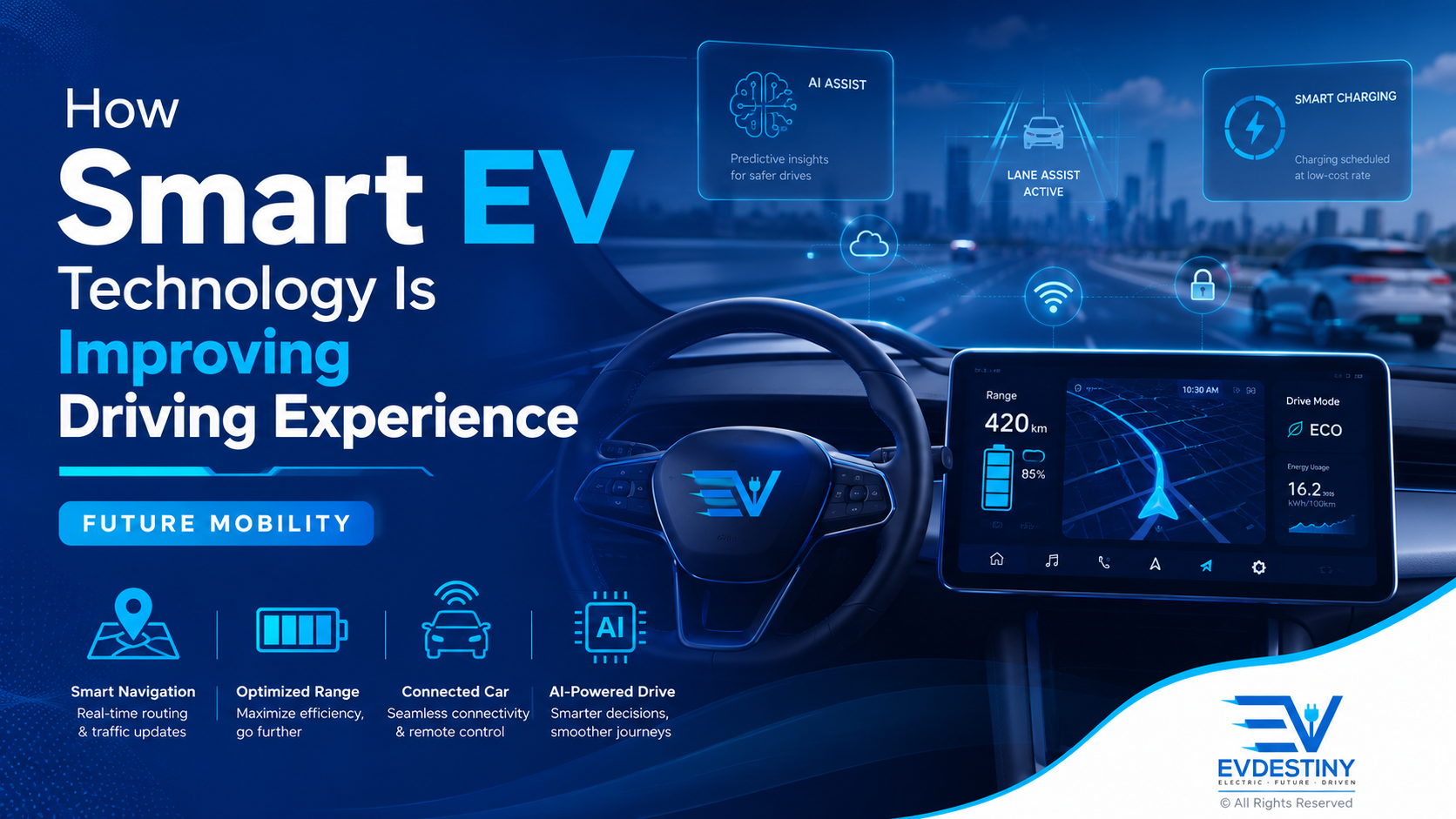
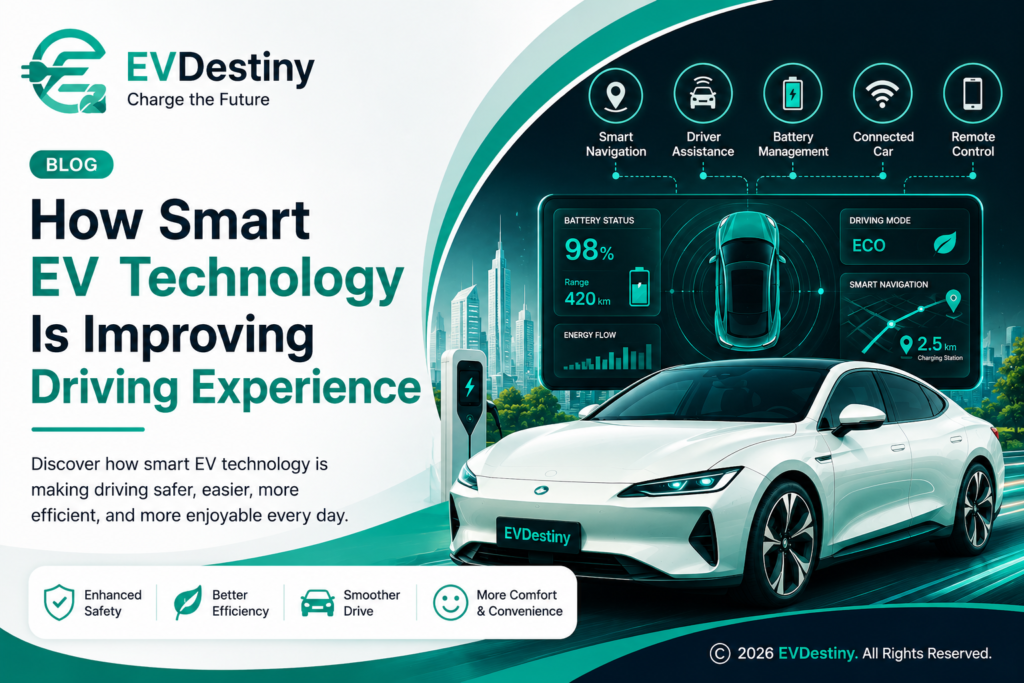
Smart EV technology is changing the way people drive, charge, and interact with their vehicles. Electric vehicles are no longer only about clean energy and lower fuel costs. Today, they are becoming intelligent machines that use software, sensors, artificial intelligence, connected apps, and advanced battery systems to make driving easier, safer, and more comfortable. From smart navigation and automatic safety alerts to remote climate control and real-time battery monitoring, modern EVs are creating a more advanced driving experience for everyday users.
As more drivers move from petrol and diesel vehicles to electric cars, they also expect better technology, smoother performance, and more convenience. Smart EV technology helps solve many common concerns such as range anxiety, charging planning, parking difficulty, driving safety, and energy efficiency. These features make electric vehicles more practical for city driving, long-distance travel, and daily commuting.
The driving experience is improving because EVs are built around digital systems. Unlike traditional vehicles, many electric cars can receive software updates, connect with mobile apps, learn driver preferences, and provide real-time information about performance and energy use. This makes the vehicle feel more personal, modern, and intelligent. In the future, smart EV technology will continue to play a major role in transportation by making electric cars safer, more efficient, and more enjoyable to drive.
Smart EV technology means the use of digital systems, sensors, software, connectivity, and automation inside electric vehicles. These technologies help the car understand road conditions, monitor battery performance, guide the driver, improve safety, and make driving more comfortable.
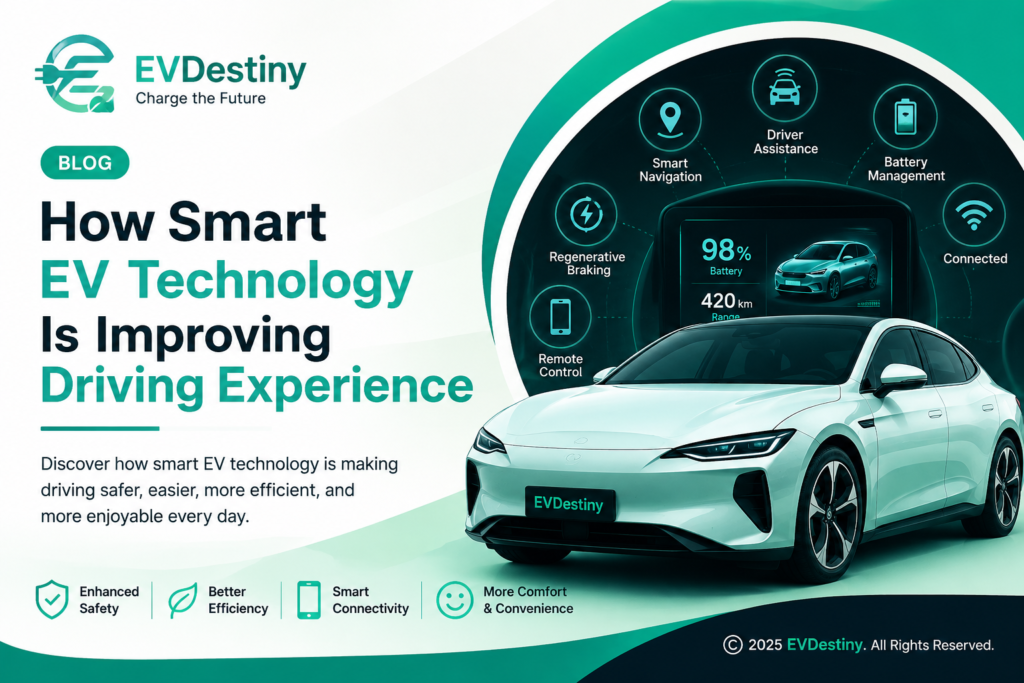
A smart EV is not just powered by electricity. It also uses intelligent features to improve the complete driving experience. These features can include smart dashboards, mobile app control, automatic braking support, lane assistance, battery health monitoring, real-time charging station suggestions, and personalized driving settings.
The main purpose of smart EV technology is to make electric vehicles easier to use. Drivers can check battery level from their phone, plan routes based on available charging stations, receive alerts about vehicle condition, and enjoy a smoother driving experience. This is why smart EV technology is becoming an important part of future mobility.
Smart electric vehicles offer many useful features that make driving more convenient. One of the biggest improvements is instant digital information. Drivers can see battery range, nearby charging points, energy usage, tire pressure, driving mode, and route details on the vehicle screen.
Many EVs also include smart driving modes. These modes allow drivers to choose between comfort, eco, sport, or long-range settings. Eco mode saves energy, sport mode gives stronger performance, and comfort mode provides a balanced experience. This flexibility helps drivers control the vehicle according to their needs.
Another important feature is smart cabin control. Some EVs allow drivers to set the cabin temperature before entering the car. This is useful in hot or cold weather because the driver can prepare the vehicle using a mobile app. Smart EV technology also improves entertainment, navigation, and voice command features, making the journey more enjoyable.
Advanced Driver Assistance Systems, also called ADAS, are one of the most important parts of smart EV technology. These systems help drivers stay safer on the road by using cameras, sensors, radar, and software.
Common ADAS features include lane keeping assistance, adaptive cruise control, blind spot monitoring, automatic emergency braking, traffic sign recognition, and parking assistance. These features do not replace the driver, but they provide support and reduce driving stress.
For example, adaptive cruise control can help maintain a safe distance from the vehicle ahead. Lane assistance can warn the driver if the car moves out of its lane. Parking sensors and cameras make parking easier in tight spaces. These smart systems are especially useful during long drives, heavy traffic, and city parking.
Battery performance is one of the most important concerns for EV drivers. Smart EV technology improves this experience through battery management systems. These systems monitor battery temperature, charging speed, energy usage, and battery health.
Smart range prediction helps drivers understand how far they can travel before charging. Instead of showing only a simple battery percentage, many EVs calculate range based on driving style, road conditions, weather, speed, and energy usage. This gives drivers a more realistic idea of how much distance they can cover.
This technology also helps reduce range anxiety. When drivers know their available range clearly, they feel more confident during daily travel and long trips. Smart battery management also protects the battery from damage by controlling charging and temperature conditions.
Smart navigation is another major improvement in electric vehicles. EV navigation systems can help drivers find nearby charging stations, check route distance, estimate battery usage, and suggest charging stops during long journeys.
This feature is very useful because charging planning is different from fuel station planning. A smart EV can guide the driver to a suitable charging station before the battery becomes too low. Some systems can also show charging speed, station availability, and estimated charging time.
Connected navigation makes long-distance EV travel easier. Instead of guessing where to charge, drivers can follow a planned route with proper charging stops. This makes electric vehicles more practical for families, business users, and daily commuters.
Regenerative braking is a smart EV feature that improves both efficiency and driving comfort. When the driver slows down, the electric motor helps recover energy and sends it back to the battery. This helps increase efficiency and reduces energy waste.
Many EVs also offer one-pedal driving. In this system, the car slows down when the driver lifts their foot from the accelerator. This makes driving smoother, especially in city traffic. It also reduces the need to use the brake pedal frequently.
Regenerative braking improves the overall driving experience because it feels controlled, quiet, and efficient. It is one of the features that makes electric vehicles different from traditional petrol or diesel cars.
Mobile apps are making EV ownership easier than before. Many electric vehicles allow drivers to connect their car with a smartphone app. Through the app, drivers can check battery level, start or stop charging, lock or unlock the car, locate the vehicle, and control cabin temperature.
Remote climate control is one of the most useful features. Drivers can cool or heat the car before starting the journey. This improves comfort and can also save battery energy when the vehicle is still plugged in.
Mobile app control also gives peace of mind. If a driver forgets whether the car is locked, they can check from their phone. If the vehicle is charging, they can monitor charging status without going outside. These features make the EV experience more modern and convenient.
Over-the-air software updates are another important part of smart EV technology. These updates allow the vehicle to receive improvements without visiting a service center. The manufacturer can update vehicle software, improve system performance, fix bugs, and sometimes add new features.
This makes the car feel more future-ready. Traditional vehicles often stay the same after purchase, but smart EVs can improve over time through software. Updates may improve navigation, battery management, charging performance, safety alerts, or infotainment features.
Over-the-air updates also save time for drivers because many improvements can be installed remotely. This is one reason why electric vehicles are becoming more like smart devices on wheels.
Artificial intelligence and voice control are improving the way drivers interact with electric vehicles. Instead of using buttons for every function, drivers can use voice commands to control navigation, music, calls, temperature, and other features.
AI can also learn driver habits. For example, it may remember preferred temperature settings, common destinations, charging habits, and driving mode preferences. This helps create a personalized driving experience.
Voice control also improves safety because drivers can perform simple tasks without taking their eyes off the road. As AI continues to improve, future EVs will become even more intelligent and responsive to driver needs.
Safety is one of the strongest benefits of smart EV technology. Modern EVs can warn drivers about possible dangers, support emergency braking, detect nearby vehicles, and help maintain lane position.
Smart safety systems are useful in different driving conditions. In heavy traffic, they help reduce stress. On highways, they support stable driving. While parking, sensors and cameras reduce the chance of hitting objects. These features make the driving experience safer and more confident.
However, drivers should always stay alert. Smart systems are designed to assist, not completely replace human attention. The best driving experience comes when smart technology and responsible driving work together.
Driving can become stressful because of traffic, parking problems, route planning, fuel costs, and vehicle maintenance. Smart EV technology helps reduce many of these problems.
Smart route planning helps drivers avoid unnecessary stops. Parking cameras and sensors make parking easier. Battery monitoring helps reduce charging worries. Mobile app features make vehicle control simpler. Quiet electric motors also create a calm driving environment.
This combination of comfort, control, and information makes EV driving more relaxed. For many users, this is one of the biggest reasons electric vehicles feel modern and enjoyable.
| Smart EV Technology | Electric Vehicles | Petrol/Diesel Vehicles |
|---|---|---|
| Smart Battery Management | Monitors battery health, temperature, and energy use | Better range prediction and battery protection |
| Advanced Driver Assistance | Uses cameras and sensors to support driving | Improves safety and reduces driving stress |
| Connected Navigation | Finds routes and charging stations | Makes long trips easier |
| Regenerative Braking | Recovers energy while slowing down | Improves efficiency and smooth driving |
| Mobile App Control | Connects the EV with a smartphone | Allows remote charging, locking, and climate control |
| Over-the-Air Updates | Updates vehicle software remotely | Keeps the car improved over time |
| Voice Control | Uses voice commands for car functions | Improves convenience and focus |
| Smart Parking Assistance | Uses sensors and cameras for parking support | Makes parking easier and safer |
“Smart EV technology is not only changing how cars are powered; it is changing how drivers experience comfort, safety, and control on every journey.”
Smart EV technology refers to the digital features used in electric vehicles to improve driving, safety, charging, and comfort. It includes battery management, connected navigation, mobile app control, driver assistance systems, voice commands, and software updates. These features help make electric vehicles easier and more enjoyable to use.
Smart EV technology improves driving experience by giving drivers more control, better safety, and useful real-time information. Drivers can monitor battery range, find charging stations, use smart navigation, control the car from a mobile app, and enjoy smoother driving through regenerative braking and advanced driving modes.
Yes, smart EV technology helps reduce range anxiety by providing accurate battery information, route planning, and charging station suggestions. Many EVs calculate range based on driving style, speed, road conditions, and battery usage. This helps drivers plan their trips with more confidence.
Smart EV features can improve safety when used properly. Driver assistance systems such as lane support, adaptive cruise control, emergency braking, and blind spot monitoring help reduce risk on the road. However, drivers must still remain attentive because these systems are designed to assist, not fully replace the driver.
Over-the-air updates are important because they allow electric vehicles to receive software improvements remotely. These updates can improve performance, fix software issues, enhance navigation, and add new features. This helps the vehicle stay modern after purchase.
Regenerative braking improves EV driving by recovering energy when the vehicle slows down. This energy is sent back to the battery, helping improve efficiency. It also makes driving smoother, especially in city traffic, because the car slows down naturally when the driver releases the accelerator.
The future of smart EV technology will include better artificial intelligence, improved battery systems, faster charging, more accurate navigation, stronger safety features, and more connected services. Future EVs will become more personalized, efficient, and comfortable for drivers.
Smart EV technology is improving the driving experience in many powerful ways. Electric vehicles are becoming safer, smarter, and more comfortable because of advanced software, connected systems, battery management, driver assistance, and mobile app control. These technologies help drivers feel more confident by reducing range anxiety, improving safety, simplifying charging, and making daily travel more convenient.
As electric vehicle adoption continues to grow, smart technology will become even more important. The future of driving will not only depend on electric power but also on intelligent features that make vehicles easier to use and more enjoyable. Smart EV technology is shaping the next generation of transportation and creating a better driving experience for people around the world.