Physical Address
304 North Cardinal St.
Dorchester Center, MA 02124
Physical Address
304 North Cardinal St.
Dorchester Center, MA 02124

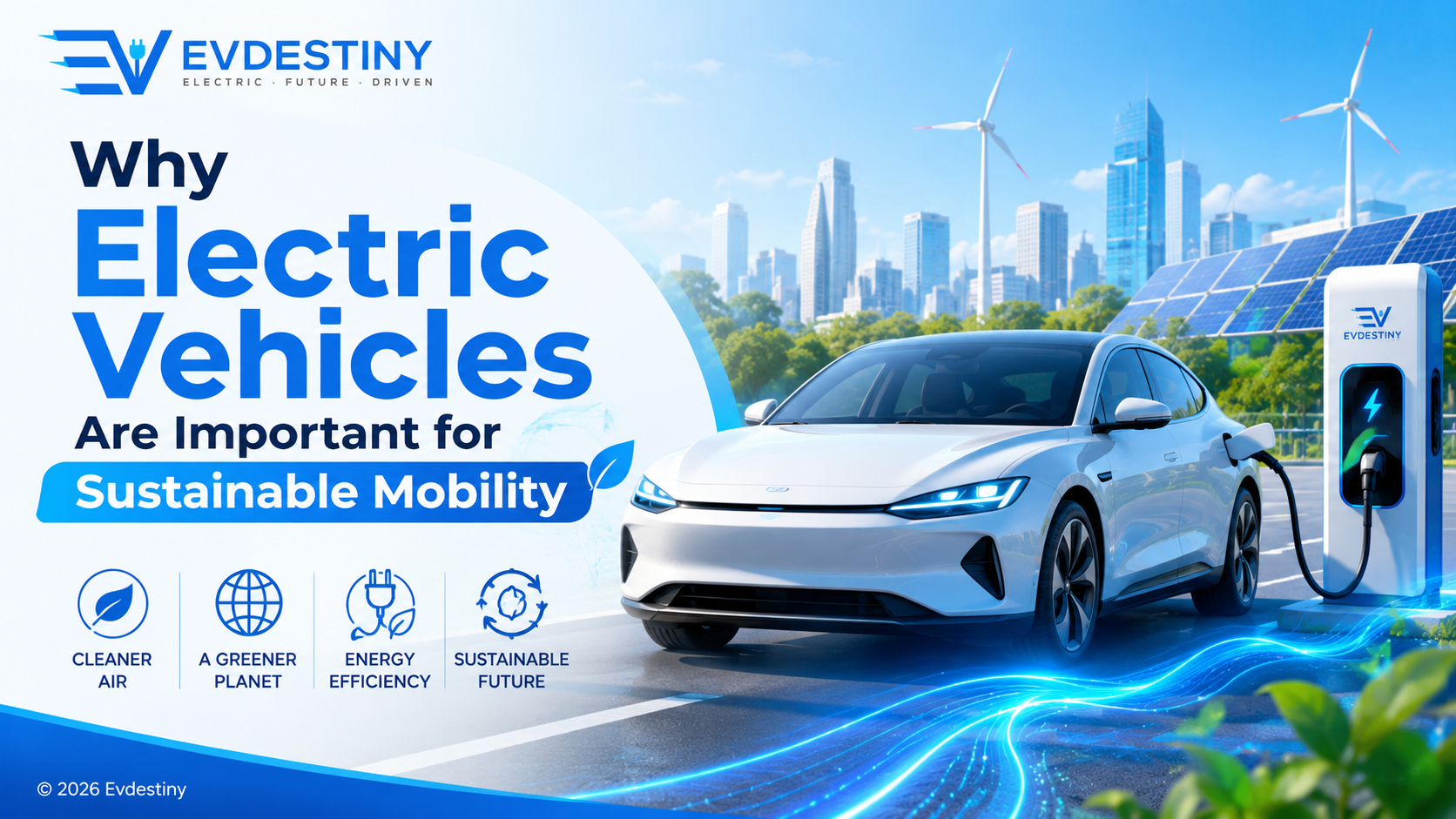
Electric vehicles are becoming an important part of sustainable mobility because they offer a cleaner, smarter, and more efficient way to travel. As cities grow and transportation demand increases, traditional petrol and diesel vehicles continue to create problems such as air pollution, fuel dependency, traffic-related emissions, and rising environmental pressure. Electric vehicles help reduce these challenges by using electricity instead of fossil fuels, producing no tailpipe emissions, and supporting the shift toward cleaner energy systems. They are not only changing how people drive, but also how governments, businesses, and communities think about the future of transportation. Sustainable mobility is about moving people and goods in a way that is better for the environment, affordable for users, and practical for long-term development. This is why electric vehicles are now seen as one of the most important solutions for building cleaner cities, reducing carbon pollution, improving energy security, and creating a modern transport system for the future.
Sustainable mobility means transportation that meets today’s travel needs without damaging the environment or creating bigger problems for future generations. It includes cleaner vehicles, better public transport, smart traffic systems, walking-friendly cities, cycling infrastructure, and renewable energy use.
The goal is not only to reduce pollution but also to make transport more efficient, affordable, and accessible. A sustainable mobility system helps people travel safely while reducing fuel use, traffic emissions, and pressure on natural resources.
Electric vehicles support this goal because they reduce dependence on petrol and diesel. When combined with renewable energy, smart charging, and better infrastructure, EVs become a strong part of a cleaner transportation future.
Electric vehicles are important because transportation is one of the major sources of carbon emissions and urban air pollution. Most traditional vehicles burn fossil fuels, which release harmful gases into the atmosphere. These emissions contribute to climate change and poor air quality in cities.
EVs work differently. They use electric motors powered by batteries, which means they do not produce exhaust smoke while driving. This makes them especially useful in crowded cities where vehicle pollution directly affects people’s health and quality of life.
Cleaner transportation is not only about replacing old cars with new cars. It is about changing the entire mobility system. Electric cars, electric buses, electric delivery vans, and electric two-wheelers can all help reduce pollution from daily travel and commercial transport.
One of the biggest reasons electric vehicles are important for sustainable mobility is their role in reducing carbon emissions. Petrol and diesel vehicles release carbon dioxide during fuel combustion. EVs do not burn fuel while driving, so they can help lower emissions from road transport.
The total environmental benefit of an EV depends on how the electricity is produced. If the electricity comes from coal or other fossil fuels, the benefit is lower. But if the electricity comes from solar, wind, hydro, or other clean sources, EVs become much more sustainable.
This is why electric mobility and renewable energy should grow together. A cleaner electricity grid makes electric vehicles even more powerful as a climate solution.
Air pollution is a serious issue in many cities. Vehicle exhaust contains harmful pollutants that can affect breathing, health, and the overall environment. Electric vehicles help improve air quality because they do not release tailpipe emissions while operating.
This is especially helpful in busy urban areas, school zones, public transport routes, and delivery-heavy locations. Electric buses and electric taxis can make a big difference because they operate for long hours and cover many kilometers every day.
Better air quality also improves city life. Cleaner streets, quieter roads, and less smoke from traffic create healthier and more comfortable communities.
Electric vehicles are more energy-efficient than traditional internal combustion engine vehicles. A petrol or diesel engine wastes a large amount of energy as heat, while an electric motor uses energy more efficiently to move the vehicle.
This means EVs can travel using less energy compared to many fuel-powered vehicles. Better efficiency helps reduce energy waste and supports long-term sustainability.
EVs also support technologies such as regenerative braking. This system captures some energy during braking and sends it back to the battery. This improves efficiency, especially in city driving where vehicles stop and start frequently.
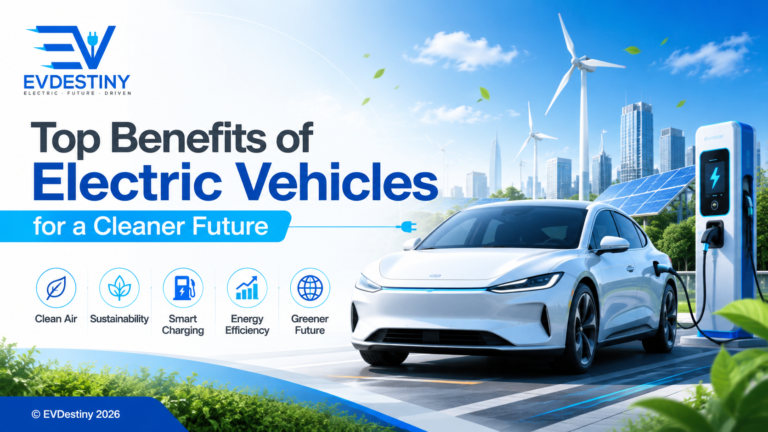
Electric vehicles become more sustainable when they are charged using renewable energy. Solar panels, wind farms, and other clean energy sources can provide electricity for EV charging stations and home chargers.
In the future, many homes, offices, and public charging stations may use solar-powered charging systems. This will make EV use cleaner and more affordable.
Renewable energy also helps reduce dependence on imported fuel. Countries that invest in clean electricity and electric mobility can improve their energy security while reducing pollution.
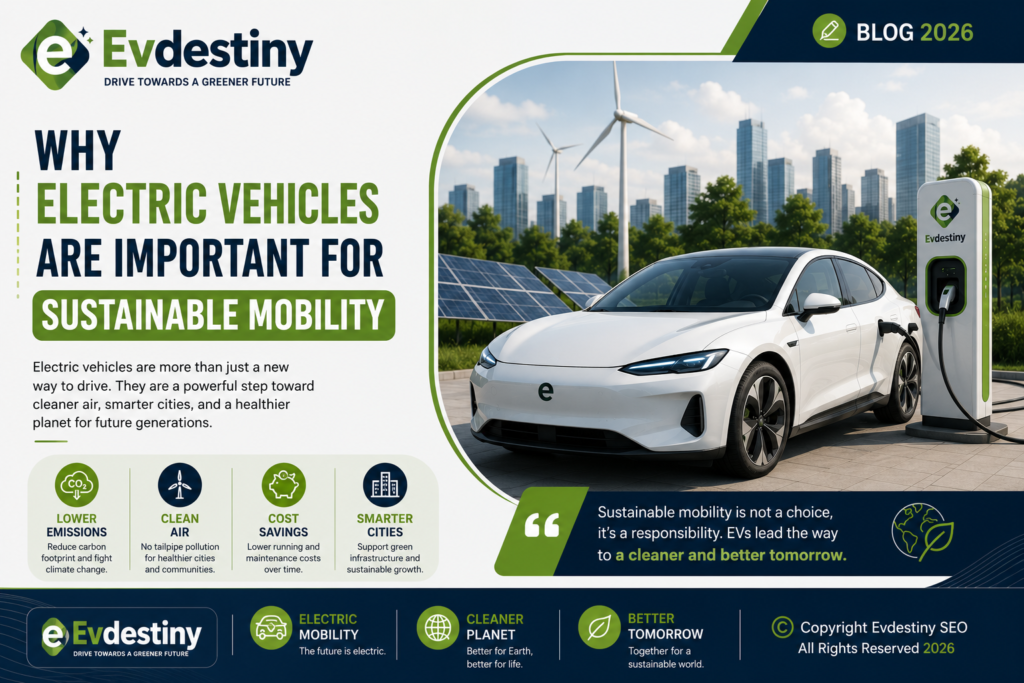
Charging infrastructure is one of the most important parts of electric vehicle growth. People are more likely to choose EVs when they know charging is easy, reliable, and available.
Sustainable cities need different types of EV charging options, including:
Good charging infrastructure makes EVs more practical for families, businesses, and public transport operators. It also supports the wider goal of building cleaner and smarter cities.
Electric vehicles can also bring economic benefits. EVs usually have fewer moving parts than petrol or diesel vehicles, which can reduce maintenance needs over time. Drivers may also save money on fuel because electricity can be cheaper than petrol in many places.
Businesses can benefit from electric delivery fleets, especially when they operate vehicles daily. Lower running costs, cleaner branding, and reduced maintenance can make EVs attractive for companies.
Electric mobility also creates new job opportunities in battery manufacturing, charging station installation, software development, renewable energy, vehicle servicing, and smart transport systems.
Even though electric vehicles are important, there are still challenges that need to be solved. Some people worry about EV prices, battery life, charging speed, and charging availability. In some areas, public charging stations are still limited.
Battery production also requires responsible mining and better recycling systems. For EVs to become fully sustainable, manufacturers and governments must focus on cleaner battery production, battery reuse, and recycling.
Another challenge is electricity demand. As more EVs enter the market, power grids must be prepared. Smart charging, renewable energy, and grid upgrades will be important for managing this growth.
The future of sustainable mobility will likely include a mix of electric vehicles, public transport, smart mobility apps, autonomous technology, and renewable energy. EVs will play a major role because they can reduce emissions and support cleaner urban transport.
Electric buses can improve public transport. Electric trucks can reduce emissions from logistics. Electric cars can make personal travel cleaner. Electric bikes and scooters can help reduce short-distance car trips.
As battery technology improves, EVs will become more affordable, charge faster, and travel longer distances. This will make electric mobility easier for more people around the world.
| Area | How Electric Vehicles Help | Sustainable Mobility Impact |
|---|---|---|
| Environment | Reduce tailpipe emissions and fuel burning | Cleaner transport and lower pollution |
| Cities | Improve air quality and reduce traffic smoke | Healthier urban living |
| Energy | Use electricity instead of petrol or diesel | Less dependence on fossil fuels |
| Economy | Lower running and maintenance costs | More affordable long-term mobility |
| Technology | Support smart charging and renewable energy | Smarter transport infrastructure |
| Future Growth | Encourage clean innovation and green jobs | Stronger sustainable transport system |
“Electric vehicles are not just the future of cars; they are a major step toward cleaner, smarter, and more sustainable mobility for the world.”
Electric vehicles are important for sustainable mobility because they reduce dependence on fossil fuels, lower tailpipe emissions, improve air quality, and support cleaner transportation systems. They help cities and countries move toward a more environmentally friendly future.
Electric vehicles reduce pollution because they do not burn petrol or diesel while driving. This means they do not release exhaust smoke from the tailpipe. When charged with renewable energy, their overall environmental impact becomes even lower.
Yes, electric vehicles are better for cities because they help reduce air pollution and noise. Electric buses, taxis, and delivery vehicles can make a big difference in crowded areas where transport emissions are high.
The main challenges include high purchase cost, limited charging stations in some areas, battery production concerns, charging time, and the need for stronger electricity grids. However, these challenges are improving as technology and infrastructure continue to grow.
Electric vehicles are important for sustainable mobility because they offer a cleaner and more efficient alternative to traditional fuel-powered transportation. They help reduce emissions, improve air quality, support renewable energy, and create smarter cities. While challenges such as charging infrastructure, battery recycling, and affordability still exist, the future of EVs looks strong. As technology improves and clean energy becomes more common, electric vehicles will play a major role in building a healthier, greener, and more sustainable transportation system for the future.