Physical Address
304 North Cardinal St.
Dorchester Center, MA 02124
Physical Address
304 North Cardinal St.
Dorchester Center, MA 02124

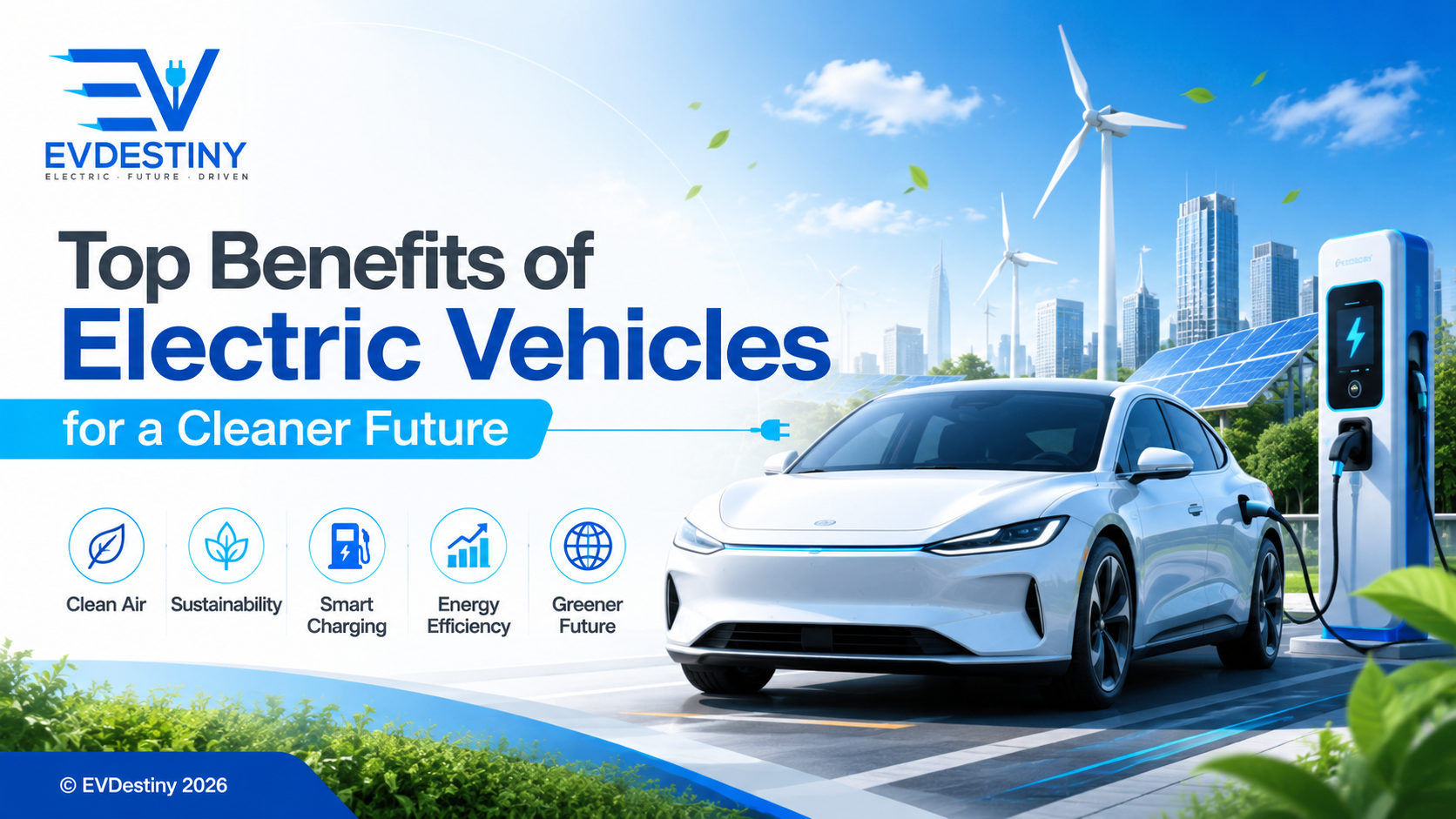
Electric vehicles are becoming an important part of the global transition toward cleaner, smarter, and more sustainable transportation. As concerns about climate change, urban air pollution, rising fuel costs, and dependence on fossil fuels continue to grow, more drivers are considering electric cars as an alternative to traditional petrol and diesel vehicles. The benefits of electric vehicles are not limited to reducing emissions. EVs can also offer lower operating costs, improved energy efficiency, quieter journeys, convenient home charging, and a more advanced driving experience.
Unlike conventional vehicles, fully electric cars use battery-powered electric motors instead of internal combustion engines. This means they do not burn petrol or diesel while driving and produce no tailpipe emissions. Although emissions can still occur during electricity generation and battery production, electric vehicles generally create lower greenhouse-gas emissions over their lifetime than comparable petrol vehicles, especially when charged using renewable energy.
The International Energy Agency identifies electric vehicles as a key technology for reducing emissions from road transportation. As renewable energy production, battery recycling, charging infrastructure, and vehicle efficiency continue to improve, the environmental advantages of EVs are expected to become even stronger.
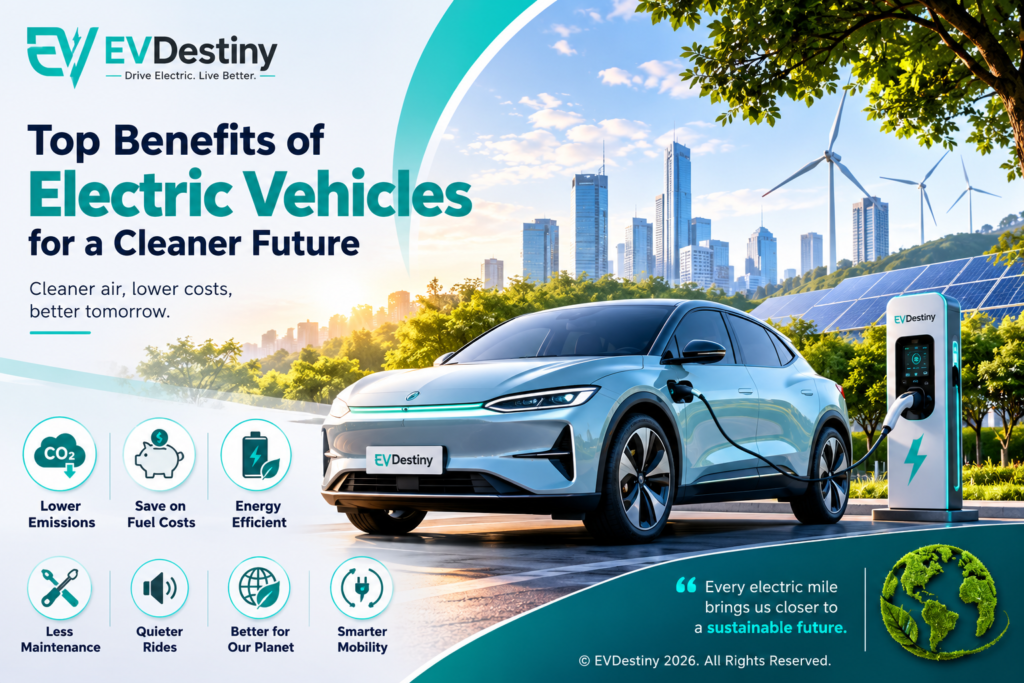
The main benefits of electric vehicles include lower transportation emissions, improved urban air quality, reduced fuel expenses, lower maintenance requirements, increased energy efficiency, and less dependence on petroleum.
Electric cars can also support renewable energy development and smarter electricity systems. When combined with clean electricity, modern charging infrastructure, and responsible battery production, EVs can help create a cleaner transportation system for future generations.
One of the most important environmental advantages of fully electric vehicles is that they produce no tailpipe emissions while being driven.
Petrol and diesel vehicles release carbon dioxide and other pollutants through their exhaust systems. Electric vehicles do not have conventional exhaust pipes because they do not burn liquid fuel inside an engine. This can help reduce pollution in cities, residential areas, school zones, and locations near busy roads.
However, electric vehicles should not always be described as completely emission-free. The electricity used for charging may be generated from fossil fuels, and emissions are also produced while manufacturing vehicles and batteries. Even after considering electricity generation, an electric vehicle is typically responsible for fewer greenhouse-gas emissions than an average new petrol vehicle.
Transportation is a major source of global carbon emissions, particularly because most road vehicles still depend on petrol and diesel. Replacing conventional vehicles with electric alternatives can reduce the amount of fossil fuel burned during daily transportation.
The environmental performance of an EV depends on several factors, including:
An EV charged mainly with solar, wind, hydroelectric, or other low-carbon electricity can provide greater climate benefits than one charged using electricity generated primarily from coal. Nevertheless, studies and official assessments generally find that EVs offer lifecycle emission advantages in many electricity systems.
Air pollution is a serious concern in many crowded cities. Conventional vehicle exhaust can contribute to poor roadside air quality, especially in locations with heavy traffic and limited airflow.
Because battery-electric vehicles do not produce exhaust emissions, increasing their use can reduce direct vehicle pollution in populated areas. Cleaner urban transportation may be particularly valuable near hospitals, schools, shopping areas, residential neighbourhoods, and major highways.
The total air-quality impact still depends on how electricity is produced. However, moving emissions away from densely populated streets and increasing the use of renewable electricity can contribute to cleaner and healthier cities. The U.S. Department of Energy notes that electric vehicles can reduce air-quality impacts and support environmental and public-health improvements.
Electric vehicles use energy more efficiently than conventional petrol and diesel vehicles. Internal combustion engines lose a large amount of energy through engine heat, exhaust, friction, and other mechanical processes.
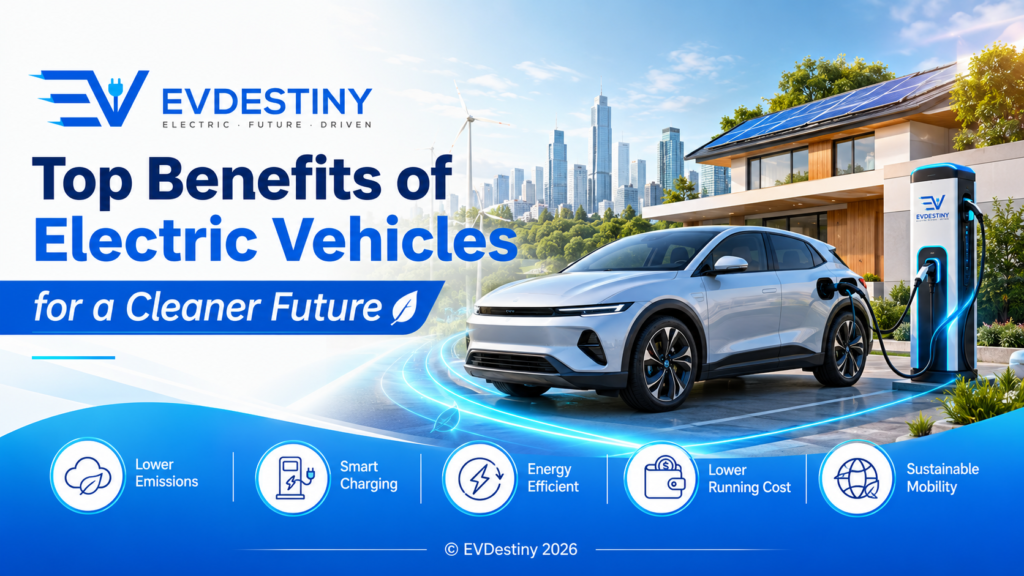
Electric motors convert a greater proportion of stored energy into movement. This allows an EV to travel using less energy than a conventional vehicle performing a similar journey.
Regenerative braking improves this efficiency further. When the driver slows down, the electric motor can operate as a generator and recover some of the vehicle’s movement energy. That energy is returned to the battery instead of being completely lost as heat through the brakes.
Greater efficiency means that less energy is required for transportation, helping reduce both operating costs and overall energy consumption.
Charging an electric vehicle can be more affordable than purchasing petrol or diesel, particularly when drivers charge at home during lower-priced electricity periods.
The actual savings depend on:
Drivers who depend heavily on expensive rapid-charging stations may save less than those who regularly charge at home. Therefore, buyers should compare the complete ownership cost rather than looking only at the purchase price.
Official guidance from the U.S. Department of Energy explains that EVs can significantly reduce vehicle operation and maintenance costs, although the total financial benefit varies according to the vehicle and how it is used.
Battery-electric vehicles generally have fewer moving mechanical components than petrol and diesel cars. They do not require many traditional engine-related services, such as:
EVs still require proper maintenance. Their tyres, suspension, brakes, battery cooling systems, air-conditioning systems, software, and electrical components must be inspected and serviced when necessary.
Regenerative braking can also reduce the use of traditional friction brakes in some driving conditions. According to the U.S. Alternative Fuels Data Center, all-electric vehicles generally need less maintenance because they contain fewer moving parts and fewer fluids that require regular replacement.
Electric motors operate more quietly than internal combustion engines, especially at lower speeds. Replacing noisy petrol and diesel engines with electric motors can reduce traffic noise in residential and commercial areas.
Quieter transportation may improve comfort around:
Electric vehicles are not completely silent. Tyres, wind resistance, road surfaces, cooling systems, and legally required pedestrian-warning sounds still create noise. At higher speeds, tyre and wind noise may become more noticeable than motor noise.
Even so, wider EV adoption can help make low-speed urban transportation quieter and more comfortable.
Electric vehicles can become cleaner as the electricity grid becomes cleaner. A petrol vehicle continues burning liquid fuel throughout its operational life, while an EV can benefit from improvements in electricity generation.
For example, an electric car charged from a grid that gradually adds more solar and wind energy may produce fewer indirect emissions over time. Drivers with suitable home solar systems may also be able to charge part of their vehicle using locally generated renewable electricity.
Smart charging can schedule vehicle charging for periods when electricity demand is lower or renewable energy is more widely available. In the future, vehicle-to-grid and vehicle-to-home technologies may allow compatible EV batteries to supply electricity to buildings or support electricity networks during selected periods.
Most conventional vehicles depend directly on petrol or diesel produced from crude oil. Electric vehicles can use electricity generated from a variety of local sources, including solar, wind, natural gas, nuclear power, and hydropower.
This diversity can strengthen energy security by reducing transportation’s dependence on a single fuel source. It may also reduce exposure to sudden changes in international oil prices.
The International Energy Agency reported that expanding EV adoption displaced more than 1.3 million barrels per day of oil demand in 2024 and projected substantially greater displacement by 2030 under its stated-policy scenario.
Electric motors can deliver power quickly, providing smooth acceleration without waiting for a traditional engine to build speed. Most electric vehicles also use simplified transmissions, which can create a more continuous and comfortable driving experience.
Other common EV features may include:
Features differ between manufacturers and models, but the combination of electric propulsion and modern software is changing how vehicles are operated, maintained, and updated.
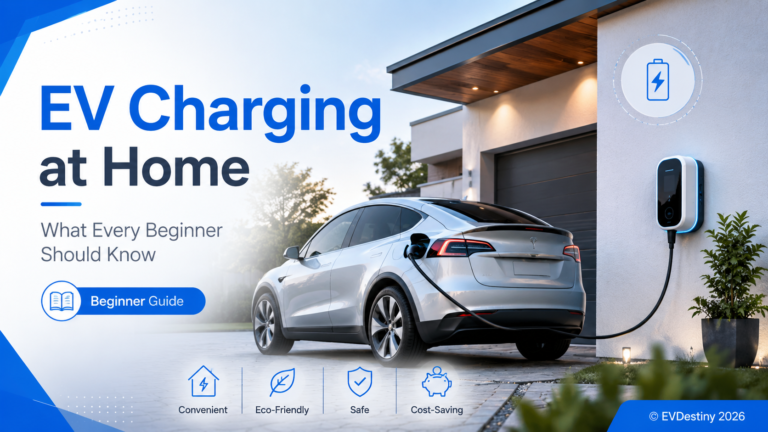
Many EV owners can charge their vehicles at home instead of regularly visiting a fuel station. A car can be connected to a suitable charger overnight and be ready for normal daily travel the following morning.
Home charging can offer:
Home charging is not available to everyone. People living in apartments or properties without private parking may depend on workplace, community, destination, or public charging stations. Expanding reliable public charging is therefore essential for making electric transportation accessible to more drivers.
The advantages of electric mobility are not limited to private cars. Electric buses, delivery vans, taxis, motorcycles, bicycles, and commercial fleets can also contribute to cleaner transportation.
Electrifying high-mileage vehicles may provide significant benefits because these vehicles travel frequently and often operate in populated areas. Electric buses can reduce direct exhaust pollution along busy public-transport routes, while electric delivery vehicles can reduce emissions associated with local shopping and online deliveries.
A cleaner transportation future will require a combination of electric vehicles, effective public transportation, walking, cycling, efficient urban planning, and renewable electricity.
| EV benefit | Best Use | Main Benefit |
|---|---|---|
| Lower tailpipe pollution | Fully electric cars do not burn petrol or diesel while driving | Cleaner streets and improved urban air quality |
| Reduced climate impact | EVs can create lower lifecycle greenhouse-gas emissions | Supports climate and sustainability goals |
| Better energy efficiency | Electric motors waste less energy than combustion engines | Reduced transportation energy consumption |
| Lower fuel expenses | Electricity can cost less than petrol or diesel | Lower daily driving costs for many owners |
| Reduced routine maintenance | EVs have fewer moving engine components | Lower servicing requirements |
| Quieter operation | Electric motors produce less low-speed engine noise | More comfortable urban communities |
| Renewable-energy support | EVs can be charged using solar, wind, and other cleaner sources | Cleaner transportation as electricity grids improve |
| Reduced oil dependence | Transportation can use electricity from several energy sources | Greater energy diversity and security |
“A cleaner transportation future is not created by one vehicle alone, but by millions of smarter journeys powered by cleaner energy.”
Electric vehicles provide important environmental benefits, but they are not completely free from environmental impact.
Mining and processing lithium, nickel, cobalt, graphite, copper, and other materials can affect ecosystems, water resources, workers, and nearby communities. Battery and vehicle manufacturing also require significant amounts of energy.
EVs still contribute to tyre wear, road congestion, traffic accidents, land use, and the environmental effects of road construction. Larger and heavier vehicles may require bigger batteries and more raw materials.
A cleaner EV future therefore requires:
Electric vehicles should be viewed as an important part of sustainable mobility rather than a complete solution to every transportation problem.
Electric vehicles are likely to become increasingly practical as battery technology, charging speed, range, recycling, and public infrastructure improve. The International Energy Agency describes EVs as a key technology for decarbonising road transportation, which accounts for a significant share of global energy-related emissions.
Future EVs may provide longer ranges, shorter charging times, improved battery durability, greater affordability, and stronger integration with smart electricity grids. At the same time, governments, manufacturers, charging companies, energy providers, and consumers must work together to ensure the transition is environmentally responsible and accessible.
One of the biggest benefits is the reduction of direct vehicle emissions. Fully electric cars produce no tailpipe emissions while driving and can create lower lifecycle greenhouse-gas emissions than comparable petrol vehicles, particularly when charged with cleaner electricity.
Electric vehicles are generally better for the environment over their complete lifecycle, but the total benefit depends on battery production, vehicle size, electricity generation, driving distance, and battery recycling. EVs charged using renewable energy usually provide the greatest environmental advantage.
Electric cars can reduce fuel and maintenance expenses. However, total savings depend on the vehicle’s purchase price, electricity rates, public-charging costs, local incentives, insurance, battery warranty, and annual driving distance.
Battery-electric vehicles have fewer moving mechanical parts than vehicles with internal combustion engines. They do not need engine oil, spark plugs, fuel filters, timing belts, or conventional exhaust-system maintenance.
Yes. A suitable home or commercial solar system can generate electricity that may be used to charge an EV. The actual amount of solar charging depends on system size, weather, energy consumption, charging time, and whether battery storage is available.
Electric cars produce no tailpipe pollution, but emissions and environmental effects can occur during electricity generation, battery manufacturing, mineral extraction, vehicle production, and disposal. Cleaner electricity and effective battery recycling can reduce these impacts.
Many modern EVs can support long-distance travel, particularly where reliable rapid-charging stations are available. Drivers should consider vehicle range, weather, charging speed, route conditions, charger availability, and expected charging stops before beginning a long journey.
Electric vehicles can reduce fossil-fuel consumption, lower transportation emissions, support renewable energy, improve energy efficiency, and reduce direct air pollution in populated areas. Their benefits become greater as electricity grids and battery-production methods become cleaner.
The top benefits of electric vehicles for a cleaner future include lower tailpipe emissions, improved energy efficiency, reduced routine maintenance, quieter operation, lower driving costs, and stronger support for renewable energy.
EVs are not completely without environmental challenges. Battery production, mineral extraction, electricity generation, and recycling must all be carefully managed. However, when electric vehicles are powered by cleaner electricity and supported by responsible manufacturing, they can offer substantial environmental advantages over traditional petrol and diesel cars.
Electric mobility represents more than a change in vehicle technology. It is an opportunity to build cleaner cities, reduce dependence on fossil fuels, improve transportation efficiency, and create a more sustainable future for drivers and communities worldwide.