Physical Address
304 North Cardinal St.
Dorchester Center, MA 02124
Physical Address
304 North Cardinal St.
Dorchester Center, MA 02124

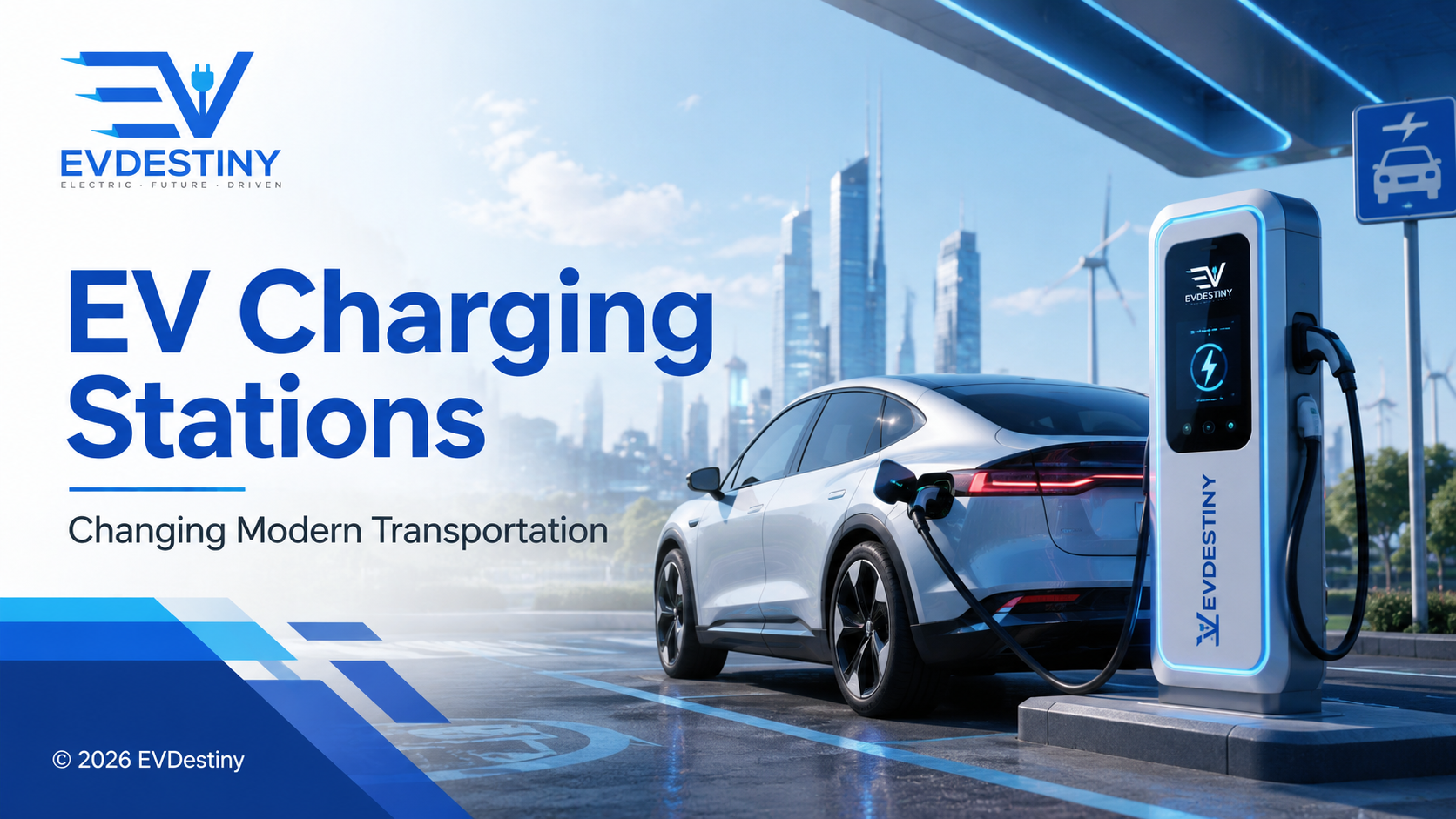
Electric vehicles are no longer just a future idea; they are becoming a real part of modern transportation. As more people shift from petrol and diesel vehicles to electric cars, the need for fast, reliable, and easy-to-access EV charging stations is increasing every year. EV charging stations are changing the way people drive, travel, plan routes, and think about vehicle ownership.
In the past, drivers mostly depended on fuel stations for long-distance travel. Today, public charging points, home chargers, workplace chargers, highway fast chargers, and smart charging networks are creating a new transportation system. This shift is not only about charging a car; it is about building cleaner cities, smarter roads, stronger energy systems, and a more sustainable future for mobility.
According to the International Energy Agency, the global stock of public charging points reached more than 7 million by the end of 2025, after nearly 1.8 million public chargers were added in 2025 alone. This shows how quickly EV charging infrastructure is becoming an important part of transportation worldwide.
EV charging stations are important because they solve one of the biggest concerns people have about electric vehicles: charging availability. Many drivers worry about running out of battery during travel, especially on highways or in areas where public chargers are limited. A strong charging network helps reduce this fear and makes electric vehicles more practical for daily life.
Charging stations also make EVs useful for more people. Not everyone has a private garage or home charger. People living in apartments, shared housing, or busy city areas may depend on public charging points. When charging stations are available near offices, shopping centers, hotels, parking areas, and highways, electric cars become easier to use.
The growth of charging stations also helps businesses, cities, and governments support cleaner transportation. The U.S. Department of Transportation notes that EV charging infrastructure can create economic opportunities, support workforce development, improve air quality, and help reduce greenhouse gas emissions in communities.
Electric vehicles need strong charging support to grow successfully. Even if EV battery range improves, drivers still need convenient charging options for daily travel and long-distance journeys. Charging stations give drivers confidence that they can use electric vehicles without depending only on home charging.
Public charging infrastructure is especially important for mass EV adoption. The International Energy Agency explains that home charging remains common for many EV owners, but public chargers are necessary for people who do not have access to private charging.
As charging networks expand, more drivers become comfortable choosing electric cars. This creates a cycle of growth. More EVs increase demand for chargers, and more chargers make EVs more attractive for new buyers. This relationship is helping modern transportation move toward cleaner and smarter mobility.
EV charging stations are available in different types depending on charging speed, location, and usage. The most common types include Level 1 charging, Level 2 charging, and DC fast charging.
Level 1 charging is the slowest type of EV charging. It usually uses a standard power outlet and is mostly suitable for home charging or emergency charging. It is not ideal for public charging locations because it takes much longer to charge a vehicle.
Level 2 charging is faster and more practical for homes, offices, shopping centers, hotels, and public parking areas. It is commonly used where cars stay parked for a few hours. This type of charging is useful for daily driving because many people can charge their EV while working, shopping, or resting.
DC fast charging is designed for quick charging, especially on highways and busy routes. It is important for long-distance travel because it allows drivers to charge their vehicle much faster than normal public chargers. Public charging usually uses Level 2 or DC fast charging, and these chargers are often placed where drivers park for longer periods or travel between cities.
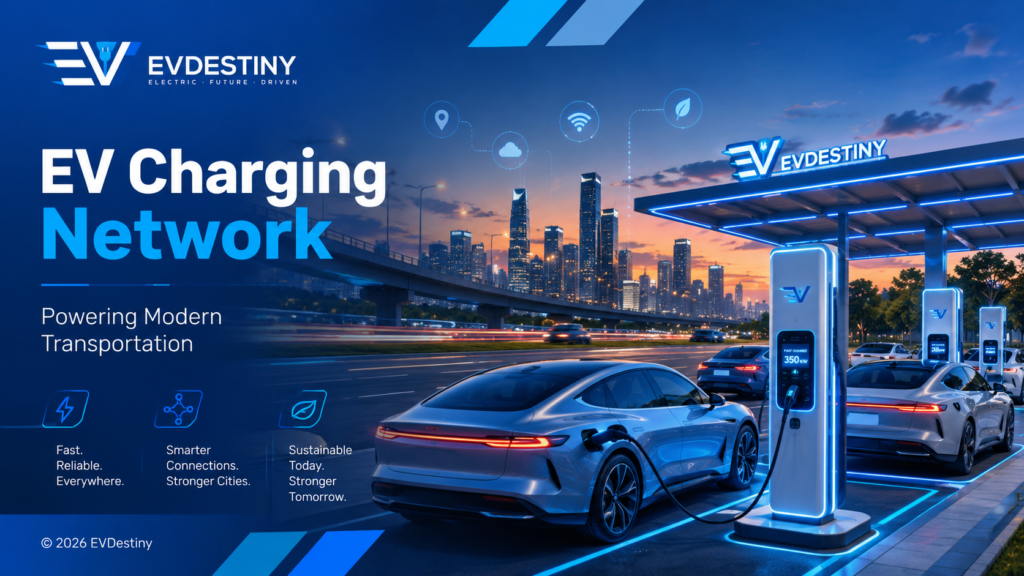
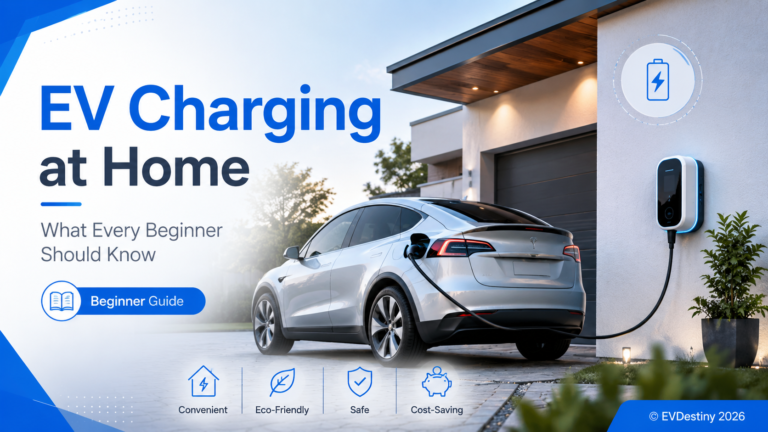
EV charging stations are changing daily travel by making electric vehicles more convenient. Drivers no longer need to visit a traditional petrol station every time they need energy. Instead, they can charge at home overnight, at work during the day, or at a public charger while doing daily activities.
This changes the driving routine. For many EV owners, charging becomes part of normal life instead of a separate task. A driver can park at a shopping mall, plug in the car, and return with more battery. Offices can provide charging points for employees. Hotels can attract EV travelers by offering overnight charging.
This new charging behavior is changing how cities design parking spaces, commercial areas, and transportation hubs. Charging stations are becoming part of modern urban planning, just like roads, parking lots, and fuel stations.
Fast charging is one of the biggest improvements in electric transportation. In the early stage of EV adoption, long trips were difficult because charging was slow and public chargers were limited. Today, DC fast chargers are making highway travel easier for electric vehicle drivers.
Fast charging stations are usually installed along highways, service areas, and major travel routes. They help drivers stop, charge, and continue their journey with less delay. This is very important for families, commercial drivers, delivery fleets, taxis, and people who travel between cities.
Fast charging also supports confidence. When drivers know that charging points are available on their route, they are more willing to use an electric vehicle for longer journeys. This is one of the main ways EV charging stations are changing modern transportation.
EV charging stations support sustainable transportation by helping more people move away from petrol and diesel vehicles. Electric vehicles can reduce fuel costs, improve energy efficiency, and lower air pollution when supported by cleaner electricity sources.
The U.S. Department of Energy explains that electricity is often less expensive than gasoline or diesel on an energy-equivalent basis, and EV drivers can save money on fuel over the lifetime of the vehicle.
Charging stations also help reduce emissions in cities. Petrol and diesel vehicles release pollution from exhaust pipes, while electric vehicles produce no tailpipe emissions. When more EVs are charged through cleaner energy systems, transportation becomes more environmentally friendly.
This is why EV charging infrastructure is not only a technology upgrade. It is also part of a larger movement toward cleaner mobility, better air quality, and smarter energy use.
Modern EV charging stations are becoming smarter. Many charging networks now use apps, digital payments, real-time charger availability, route planning, and charging speed information. These features make the charging experience easier for drivers.
Smart charging can also help manage electricity demand. Instead of charging every vehicle at the same time with maximum power, smart systems can adjust charging based on grid demand, electricity prices, and battery needs. This helps reduce pressure on the power grid and makes EV charging more efficient.
Some future charging systems may also support vehicle-to-grid technology. This means electric vehicles could send stored energy back to the grid when needed. This technology is still developing, but it shows how EV charging stations could become part of a larger smart energy network.
Even though EV charging stations are growing quickly, there are still challenges. One major challenge is charger availability. Some areas have many charging points, while others still have limited access. Rural locations, highways, and apartment-heavy cities need more charging support.
Another challenge is charging speed. Slow chargers are useful in some places, but drivers need fast chargers for long trips and busy schedules. If fast chargers are not available in the right locations, EV users may still face range anxiety.
Reliability is also important. A charging station must work properly, accept payment easily, and provide clear instructions. Broken chargers or complicated apps can create a bad experience for drivers.
Grid capacity is another challenge. As more EVs connect to the power system, cities and energy providers need better planning. Charging infrastructure must grow together with electricity networks, renewable energy, and smart grid technology.
The future of EV charging stations looks strong. In the coming years, charging stations will become faster, smarter, and more common. We can expect more chargers at homes, offices, shopping malls, highways, hotels, parking areas, and public transport hubs.
Wireless charging may also become more popular in the future. This technology could allow vehicles to charge without plugging in a cable. Although it is not yet common for most drivers, it could become useful for taxis, buses, and smart city transport systems.
Solar-powered charging stations may also grow. These stations can use renewable energy to support cleaner transportation. When EV charging is connected with solar power and battery storage, it can reduce pressure on the grid and make transportation more sustainable.
| Charging Type | Best Use | Main Benefit |
|---|---|---|
| Level 1 Charging | Home or emergency charging | Simple and low-cost option |
| Level 2 Charging | Homes, offices, malls, hotels, parking areas | Good for daily charging |
| DC Fast Charging | Highways and long-distance travel | Charges much faster for road trips |
“EV charging stations are not just powering electric cars; they are building the foundation of cleaner, smarter, and more connected transportation.”
EV charging stations are places where electric vehicles can recharge their batteries. They can be installed at homes, offices, parking lots, shopping centers, highways, hotels, and public areas. These stations provide electricity to electric cars instead of petrol or diesel.
EV charging stations are important because they make electric vehicles easier to use. Without enough charging points, many drivers may worry about battery range. A strong charging network gives drivers confidence and supports the growth of electric transportation.
EV charging stations are different from petrol stations. Petrol stations are used for quick fuel refills, while EV charging can happen at home, work, or public places. This gives EV drivers more flexibility because the vehicle can charge while it is parked.
Fast charging stations help drivers charge their vehicles quickly during long trips. They are usually placed on highways and busy routes. This makes electric vehicles more practical for intercity travel and reduces range anxiety.
Yes, EV charging stations support electric vehicles, which produce no tailpipe emissions. When electricity comes from cleaner energy sources, EV charging can help reduce air pollution and support sustainable transportation.
The future of EV charging stations includes faster charging, smart charging apps, solar-powered chargers, wireless charging, and stronger highway charging networks. These improvements will make electric vehicles more convenient for daily use and long-distance travel.
EV charging stations are changing modern transportation in a powerful way. They are helping electric vehicles become more practical, reliable, and acceptable for everyday drivers. From home charging to highway fast charging, this infrastructure is creating a new driving experience.
As more charging stations are installed around the world, electric vehicles will become easier to use for city driving, business travel, public transport, and long-distance journeys. The future of transportation will depend not only on better electric cars but also on strong, smart, and accessible EV charging networks.
For drivers, businesses, and cities, EV charging stations are more than a convenience. They are the foundation of a cleaner and more advanced transportation system.