Physical Address
304 North Cardinal St.
Dorchester Center, MA 02124
Physical Address
304 North Cardinal St.
Dorchester Center, MA 02124

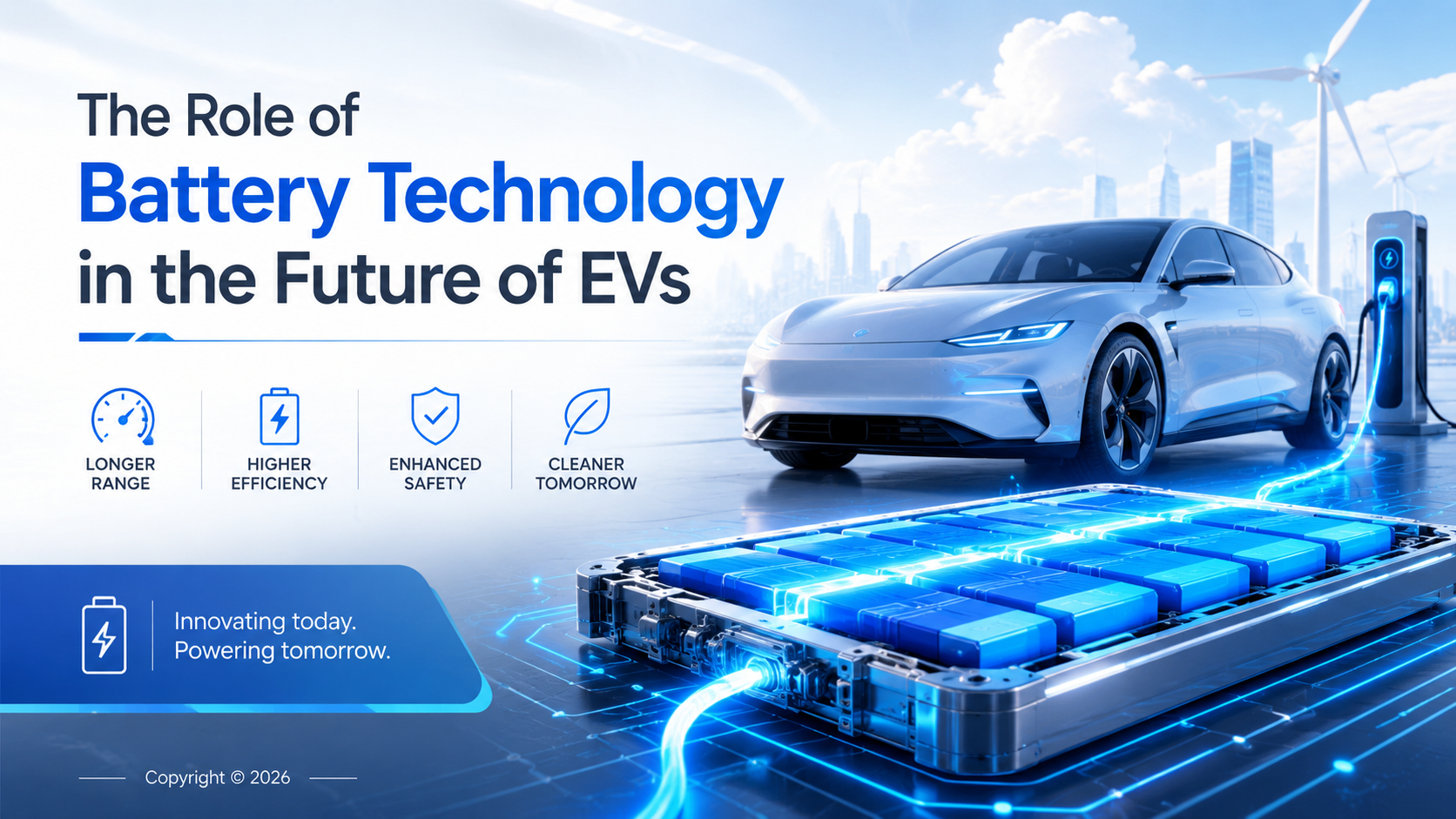
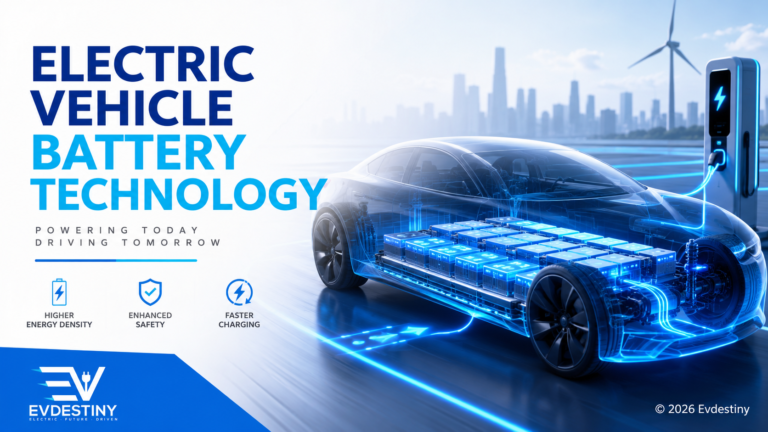
Electric vehicles are changing the future of transportation, but the real power behind this change is battery technology. The battery is the heart of every electric vehicle because it decides how far the car can travel, how fast it can charge, how much it costs, and how reliable it feels for daily use. As more drivers move away from petrol and diesel vehicles, the demand for better EV batteries is increasing worldwide. Modern EV battery technology is improving quickly, with new developments in lithium-ion batteries, lithium iron phosphate batteries, solid-state batteries, battery recycling, and fast-charging systems. These improvements are helping electric vehicles become more practical, affordable, and attractive for everyday drivers, families, businesses, and public transport systems. According to the International Energy Agency, battery demand and charging infrastructure are now major parts of global EV growth, showing how important battery innovation is for the future of clean transportation.
Battery technology is important for the future of EVs because it directly affects range, charging speed, vehicle price, performance, safety, and environmental impact. A powerful and efficient battery allows an electric vehicle to travel longer distances, charge faster, and deliver a smoother driving experience. Without strong battery development, EV adoption would remain limited because many people still worry about range, charging time, and battery life.
As EV sales continue to grow, the demand for batteries is also rising. The IEA reported that EV battery demand reached more than 750 GWh in 2023, showing how quickly the battery market is expanding with electric vehicle adoption. This means future EV success will depend heavily on how fast battery technology can improve.
One of the biggest benefits of advanced EV battery technology is longer driving range. In the early days of electric vehicles, many EVs had limited range, which created “range anxiety” for drivers. Today, improved battery chemistry and better energy management systems allow electric vehicles to travel much farther on a single charge.
A better battery stores more energy without making the vehicle too heavy. This helps the EV maintain good speed, smooth acceleration, and efficient power use. Battery management systems also monitor temperature, charging, and energy flow to protect the battery and improve performance.
In the future, longer-range EV batteries will make electric cars more suitable for road trips, commercial vehicles, delivery vans, buses, and long-distance transport. This will help electric vehicles compete more strongly with petrol and diesel vehicles.
Charging speed is another major area where battery technology is shaping the future of EVs. Many drivers want electric vehicles to charge quickly, especially during travel or busy daily routines. Fast-charging technology depends not only on the charging station but also on the battery’s ability to safely accept high power.
Modern battery systems are being designed to reduce charging time while protecting battery health. Better cooling systems, improved cell design, and smarter software help prevent overheating during fast charging. As ultra-fast charging improves, EV owners will spend less time waiting and more time driving.
Public charging networks are also growing. The IEA reported that more than 1.3 million public charging points were added globally in 2024, which shows strong progress in EV charging infrastructure. When better batteries work together with more charging stations, electric vehicles become easier to use for everyone.
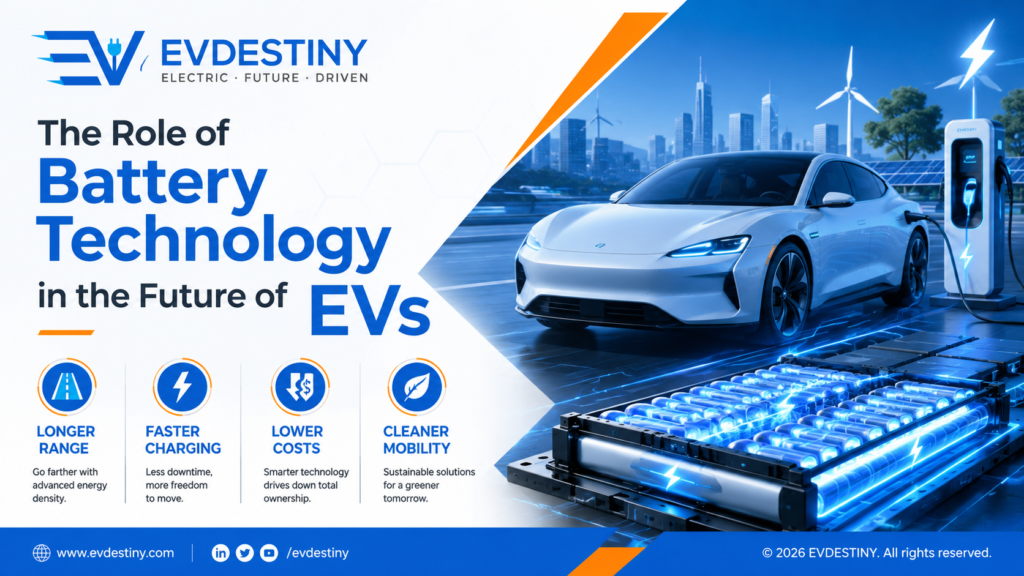
Battery cost is one of the biggest factors affecting the price of electric vehicles. In many EVs, the battery pack is one of the most expensive parts of the vehicle. If battery production becomes cheaper, EV prices can become more affordable for normal buyers.
Battery costs are improving because of better manufacturing, larger production scale, improved battery chemistry, and stronger supply chains. Lithium iron phosphate batteries, also known as LFP batteries, are becoming popular because they can reduce dependence on expensive materials like nickel and cobalt. The IEA notes that battery chemistries such as LFP and future options like sodium-ion batteries may help reduce pressure on critical minerals.
Lower-cost batteries will help electric vehicles reach more people. This is very important for countries where buyers want clean transportation but also need affordable vehicle prices.
Most modern electric vehicles use lithium-ion batteries because they offer high energy density, good power-to-weight ratio, long life, and strong efficiency. The U.S. Alternative Fuels Data Center explains that most all-electric vehicles and plug-in hybrid vehicles currently use lithium-ion batteries, although the exact chemistry can vary by vehicle model.
Lithium-ion batteries are the most common battery type in EVs today. They are lightweight compared to older battery technologies and can store a large amount of energy. These batteries are used because they provide good range, good charging performance, and reliable daily use.
Lithium iron phosphate batteries are becoming more common in electric vehicles. They are known for safety, durability, and lower material cost. LFP batteries may not always offer the highest energy density compared with some nickel-based batteries, but they are useful for affordable EVs and daily driving.
Solid-state batteries are seen as one of the most promising future EV battery technologies. Instead of using a liquid electrolyte, they use a solid electrolyte. This could improve safety, energy density, and charging performance. However, solid-state batteries are still developing, and large-scale production will take more time.
Battery safety is a key concern for electric vehicle owners. A good EV battery must handle heat, cold, fast charging, long use, and different driving conditions. Modern EVs use advanced battery management systems to monitor every part of the battery pack.
These systems help control temperature, prevent overcharging, balance battery cells, and protect the vehicle from faults. Good battery design also improves long-term reliability, meaning the battery can keep working efficiently for many years.
As EV battery technology improves, safety standards will become stronger, battery packs will become more durable, and drivers will feel more confident about using electric vehicles for daily travel.
Battery recycling is an important part of the EV future. As more electric vehicles reach the end of their life, recycling will help recover valuable materials and reduce waste. Recycling can also reduce the need for new mining and support a stronger battery supply chain.
The U.S. Alternative Fuels Data Center explains that EV battery recycling can recover important materials and reintroduce them into the supply chain. It also mentions recycling methods such as pyrometallurgy, hydrometallurgy, and direct recycling.
Battery recycling will become even more important as EV adoption grows. A cleaner EV future is not only about driving without tailpipe emissions; it is also about producing, using, and recycling batteries responsibly.
The future of EV battery technology will focus on five major goals: longer range, faster charging, lower cost, better safety, and improved sustainability. Automakers and battery companies are investing heavily in new materials, advanced manufacturing, and smarter battery software.
Future EV batteries may become smaller, lighter, and more powerful. They may also charge faster and last longer than today’s batteries. These improvements will make electric vehicles more practical for personal cars, taxis, delivery fleets, trucks, buses, and even heavy transport.
Battery innovation will also support renewable energy. EV batteries can work with smart grids, home solar systems, and vehicle-to-grid technology. This means electric vehicles may not only use electricity but also help manage energy demand in the future.
| Battery Technology | Main Benefit | Future Role in EVs |
|---|---|---|
| Lithium-Ion Battery | High energy density and strong performance | Main battery technology for most EVs |
| LFP Battery | Lower cost, strong safety, long life | Affordable EVs and daily-use electric cars |
| Solid-State Battery | Potential for higher range and improved safety | Future premium EVs and next-generation vehicles |
| Sodium-Ion Battery | Lower material cost and reduced lithium dependence | Budget EVs and energy storage solutions |
| Recycled Battery Materials | Reduces waste and supports supply chain | Sustainable EV production and circular economy |
“Battery technology is not just powering electric vehicles; it is powering the future of clean, smart, and sustainable transportation.”
The most common battery used in electric vehicles is the lithium-ion battery. It is widely used because it offers good energy storage, strong efficiency, long life, and reliable performance for daily driving.
EV batteries are important because they control the vehicle’s range, charging speed, cost, safety, and performance. A better battery makes an electric vehicle more practical and more affordable.
Yes, EV batteries are expected to become cheaper as manufacturing improves, production increases, and new battery chemistries become more common. Lower battery costs can help reduce the overall price of electric vehicles.
A solid-state battery is a future battery technology that uses a solid electrolyte instead of a liquid one. It may offer better safety, higher energy density, and faster charging, but it is still developing for large-scale EV use.
Yes, EV batteries can be recycled. Valuable materials such as lithium, nickel, cobalt, and other battery components can be recovered and reused in the battery supply chain.
EV battery life depends on the vehicle, battery chemistry, charging habits, climate, and usage. Most modern EV batteries are designed to last for many years with proper battery management and normal use.
The future of EV battery technology will focus on longer range, faster charging, lower cost, improved safety, better recycling, and reduced dependence on rare materials.
EV Battery technology will play the most important role in the future of electric vehicles. As batteries become more powerful, affordable, safe, and sustainable, electric vehicles will become a better choice for more drivers around the world. Improvements in lithium-ion batteries, LFP batteries, solid-state batteries, sodium-ion batteries, and recycling systems will help shape the next generation of clean transportation. The future of EVs depends on battery innovation, and every improvement in battery technology brings the world closer to smarter, cleaner, and more efficient mobility.