Physical Address
304 North Cardinal St.
Dorchester Center, MA 02124
Physical Address
304 North Cardinal St.
Dorchester Center, MA 02124

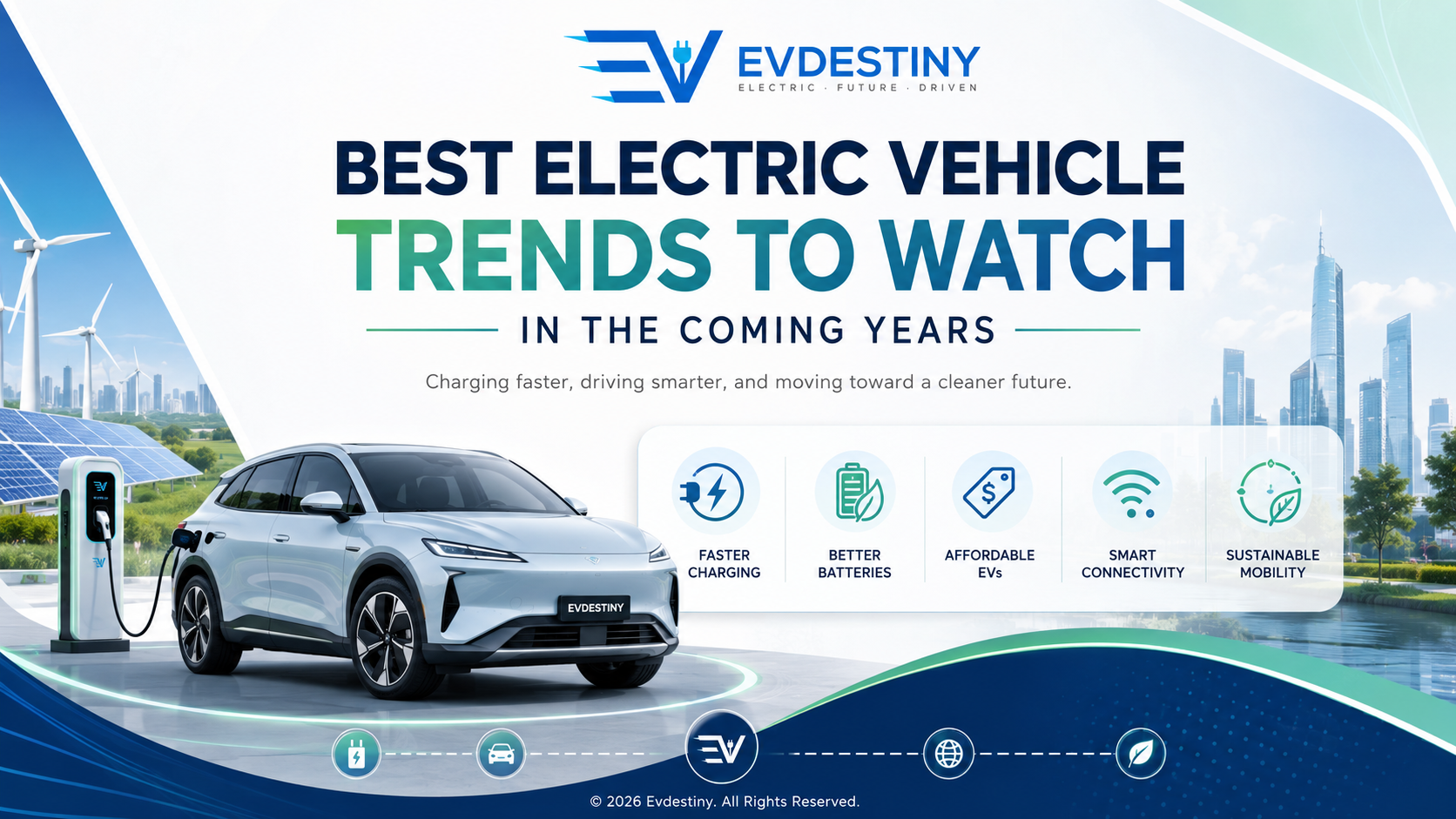
Electric vehicles are becoming one of the most important changes in modern transportation, and the coming years will bring even more innovation to the EV industry. From faster charging systems and longer battery range to smart software features and more affordable electric cars, the future of electric vehicles looks powerful and practical. Many drivers are now looking for cleaner, cheaper, and more efficient alternatives to petrol and diesel vehicles, which is why electric vehicle trends are gaining attention worldwide.
As charging infrastructure grows and battery technology continues to improve, EVs will become easier to use for daily travel, long-distance trips, and commercial transport. The International Energy Agency tracks electric vehicle sales, batteries, charging infrastructure, and future market growth, showing that these areas are now major parts of the global clean transportation shift.
One of the biggest electric vehicle trends to watch is faster charging. Many drivers worry about charging time, especially during long trips. In the coming years, ultra-fast charging stations will become more common on highways, shopping centers, offices, and public parking areas.
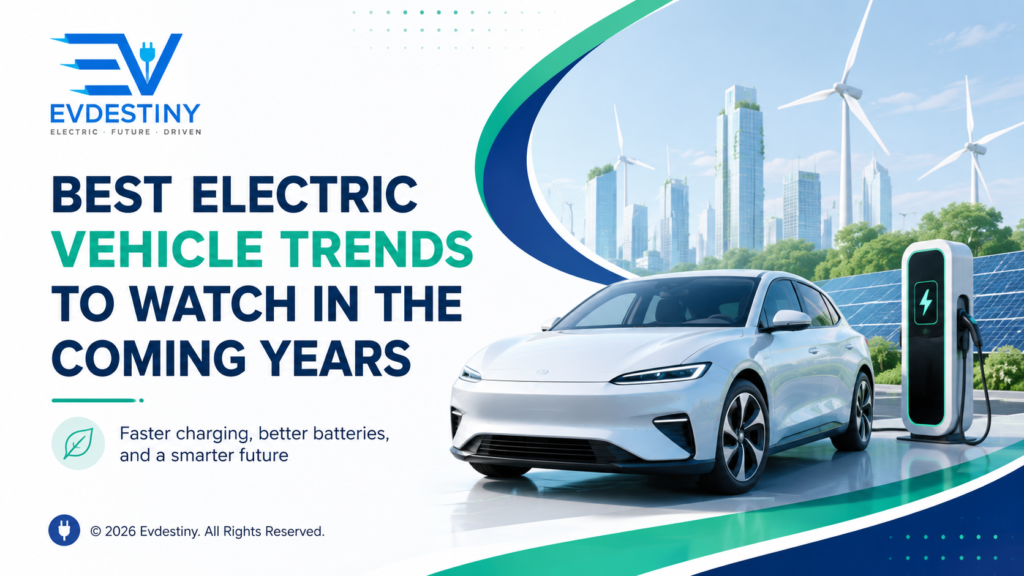
This will make electric vehicles more convenient for daily use and long-distance travel. Faster charging will also help reduce range anxiety and encourage more people to switch from petrol cars to EVs.
Battery improvement is the heart of EV technology. Future electric vehicles will come with longer driving range, better energy efficiency, and improved battery life. Companies are working on advanced battery chemistry to make EVs safer, lighter, and more affordable.
Better batteries will allow drivers to travel longer distances on a single charge. This trend will also reduce the cost of electric vehicles over time because battery cost is one of the biggest parts of EV pricing.
In the past, many electric vehicles were expensive. Now, automakers are focusing on affordable EV models for regular buyers. Smaller and budget-friendly electric cars are becoming popular, especially in cities where people need practical and efficient transportation.
European carmakers are also moving toward smaller and more affordable EVs to compete with low-cost models from China. This shows that the future of electric vehicles will not only be luxury cars but also compact and economical models for everyday drivers.
Another important electric vehicle trend is the rise of software-defined vehicles. Modern EVs are becoming more like smart devices on wheels. Features such as over-the-air updates, AI driving assistance, smart dashboards, connected apps, and advanced safety systems are becoming standard.
This means EV owners can receive new features and improvements without visiting a service center. Software will play a major role in improving vehicle performance, safety, entertainment, and user experience.
The best electric vehicle trends to watch in the coming years include faster charging technology, longer battery range, affordable electric cars, smart vehicle features, vehicle-to-grid systems, and the expansion of charging infrastructure. Electric vehicles are becoming a major part of the future transportation system because they offer cleaner mobility, lower running costs, and advanced technology compared to traditional petrol and diesel vehicles. As more companies invest in EV technology, drivers will see better performance, safer batteries, improved charging options, and more budget-friendly electric cars.
These changes will make electric vehicles easier to use for daily travel, long-distance journeys, business transportation, and public mobility. The coming years will be important for the EV industry because innovation will not only improve electric cars but also change how people travel, charge, and use energy.
Future electric vehicles will operate as highly connected digital platforms. Artificial intelligence will monitor vehicle health, optimize energy use, and provide predictive maintenance alerts before problems occur.
Software updates will continuously improve performance throughout a vehicle’s lifespan. Much like smartphones receive regular updates, future EVs will become smarter and more capable over time without requiring physical modifications.
Consumer demand for larger vehicles remains strong worldwide. Manufacturers are responding by introducing electric pickup trucks, SUVs, and commercial vehicles that combine utility with sustainability.
These vehicles are becoming increasingly capable thanks to advancements in battery technology. Longer ranges and improved towing capabilities are making electric trucks practical for both personal and commercial applications.
Ride-sharing companies and transportation providers are increasingly adopting electric vehicles. Lower fuel and maintenance costs make EVs attractive options for fleet operators seeking long-term savings.
Future mobility services may also include autonomous electric vehicles operating within shared transportation networks. These developments could reduce traffic congestion while improving transportation accessibility in densely populated urban areas.
Cities around the world are becoming more connected through advanced technology systems. Electric vehicles fit naturally into these evolving urban environments. Connected infrastructure can communicate with vehicles to improve traffic flow and reduce congestion.
This connectivity also supports Urban electrification strategies designed to reduce pollution and improve energy efficiency. Smart transportation systems will become increasingly important as urban populations continue to grow.
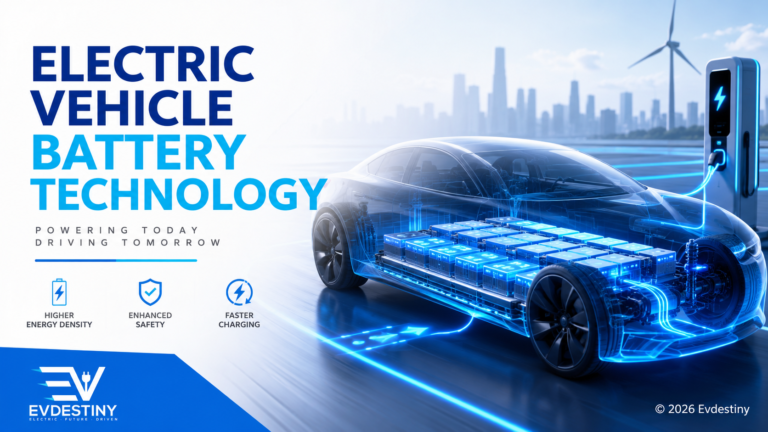
Battery innovation remains at the heart of the Future of Electric Vehicles. Improvements in battery technology directly influence vehicle range, charging speed, safety, and affordability. Researchers are working continuously to overcome existing limitations.
As battery technologies evolve, electric vehicles will become more attractive to a wider audience. Faster charging times, longer lifespans, and lower production costs will help accelerate global EV adoption.
Sustainable EV manufacturing will become more important as the electric vehicle market grows. Electric vehicles are designed to reduce pollution during driving, but the production process also matters. Automakers are now focusing on cleaner manufacturing methods, responsible material sourcing, battery recycling, and reducing factory emissions.
Battery recycling is a key part of sustainable EV production. EV batteries contain valuable materials that can be reused instead of wasted. Recycling can reduce the need for new raw materials and lower the environmental impact of battery production. In the future, battery recycling systems will become more advanced and more widely used.
Electric trucks and buses are becoming an important part of the EV industry. Electric vehicle trends are not only about personal cars. Public transport, delivery vehicles, school buses, cargo vans, and heavy trucks are also moving toward electric power. This change is important because commercial vehicles usually consume a large amount of fuel and produce more emissions.
Electric buses can help cities reduce air pollution and noise, especially in crowded urban areas. Since buses follow fixed routes, they can be charged at depots or selected charging points. This makes them a practical option for public transportation systems. Many cities are now planning to replace diesel buses with electric buses to create cleaner and quieter streets.
Vehicle-to-grid technology is an exciting electric vehicle trend that can change how people use energy. In simple words, vehicle-to-grid means an electric vehicle can send stored battery power back to a home, building, or electricity grid. Instead of only using electricity to charge the car, the EV battery can also become a source of energy when needed.
This technology can be useful during peak electricity demand, power shortages, or emergency situations. For example, an EV could help power a home during certain times or send extra electricity back to the grid. This can help balance energy supply and demand, especially when renewable energy sources like solar and wind are being used.
Smart and connected EVs are changing the way people interact with their vehicles. Modern electric vehicles are no longer just machines used for transportation. They are becoming smart devices on wheels with advanced software, digital dashboards, mobile app controls, navigation systems, safety alerts, and artificial intelligence features.
One of the most important features of smart EVs is over-the-air updates. This means the vehicle’s software can be updated without visiting a service center. Automakers can improve performance, fix issues, add features, and update safety systems remotely. This makes the car more advanced over time and improves the user experience.
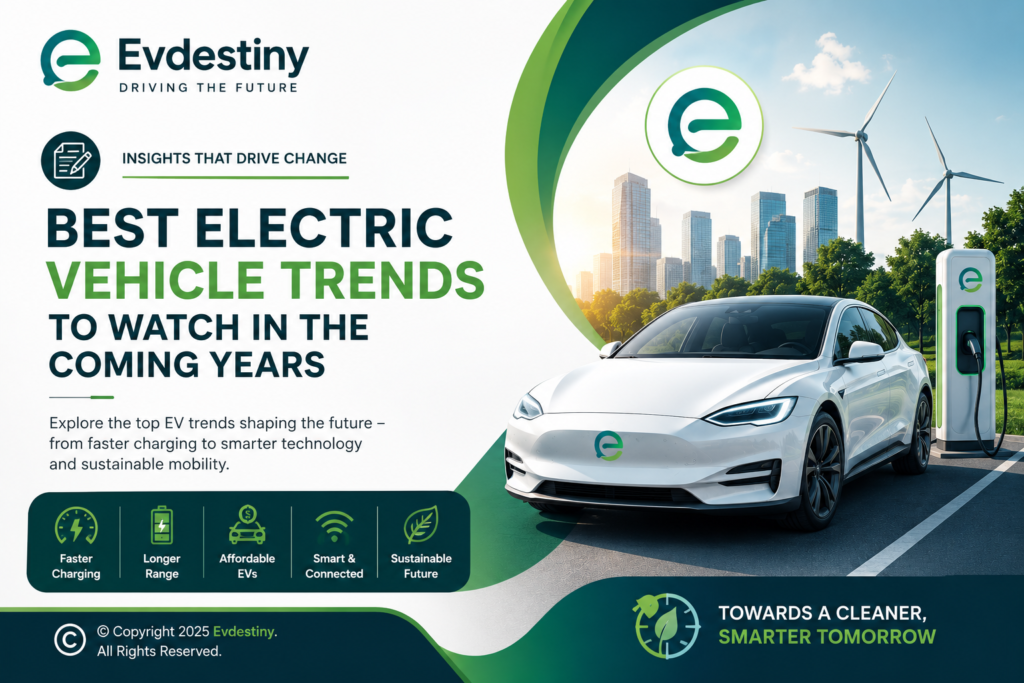
| EV Trend | What It Means | Why It Matters |
|---|---|---|
| Faster EV Charging | Electric vehicles will charge in less time using fast and ultra-fast chargers. | It reduces waiting time and makes long-distance travel easier. |
| Longer Battery Range | EVs will travel more kilometers on a single full charge. | It reduces range anxiety and makes EVs more practical. |
| Affordable Electric Cars | More low-cost EV models will become available for regular buyers. | It helps more people switch from petrol cars to electric vehicles. |
| Smart and Connected EVs | EVs will include AI features, mobile apps, and software updates. | It improves safety, comfort, and driving experience. |
| Vehicle-to-Grid Technology | EVs can send stored power back to homes or the electricity grid. | It supports smart energy use and can help reduce electricity costs. |
| More Charging Stations | Public, home, office, and highway chargers will increase. | It makes electric vehicle ownership easier and more reliable. |
“The future of transportation is not only electric; it is smarter, cleaner, and more connected than ever before.”
Electric vehicle trends clearly show that the coming years will bring major changes to the automotive industry. With faster charging, longer battery range, affordable EV models, smart technology, and improved charging infrastructure, electric vehicles will become more practical for everyday drivers. These innovations will not only make transportation easier but also support a cleaner and more sustainable future. As more people and businesses move toward electric mobility, EVs will play an important role in shaping the future of travel worldwide.
The biggest electric vehicle trends include faster charging, longer battery range, affordable EV models, smart vehicle software, vehicle-to-grid technology, and growth in electric buses and trucks.
Battery technology is important because it affects driving range, charging speed, vehicle price, and overall EV performance. Better batteries will make electric vehicles more practical and affordable for more people.
Yes, electric vehicles are expected to become more affordable as battery production improves, competition increases, and more automakers launch budget-friendly EV models.
Fast charging allows an electric vehicle to charge much quicker than a normal home charger. This is useful for long-distance travel and helps reduce range anxiety for EV drivers.
Vehicle-to-grid technology allows an electric vehicle to send stored battery power back to a home, building, or electricity grid. In the future, EVs may help support energy systems during peak demand.
Electric vehicles can reduce fuel use and lower air pollution compared with traditional petrol or diesel vehicles, especially when charged with cleaner electricity sources.
EV charging infrastructure is important because drivers need easy access to charging stations at home, work, highways, and public places. More charging stations make electric vehicles more convenient and reliable.
The future of electric vehicles will include smarter technology, improved batteries, faster charging, lower prices, and wider use in public transport, delivery vehicles, and personal cars. These trends will make EVs a major part of future transportation.